The first step in the recruitment process in Singapore is gaining a clear understanding of all relevant labour laws and related regulations.
Singapore has well-established labour laws that support the growth of the economy, protect employees’ rights, and promote fair, equitable, and safe workplaces. There are also specific laws and regulations relating to work visas and work passes for companies hiring foreign employees in Singapore.
The Employment Act in Singapore
Singapore’s Employment Act covers all local and foreign employees working in Singapore. It outlines employer responsibilities when hiring employees in Singapore. These include, but are not limited to, maintaining employment records and required documents, legal working hours, rest days, annual leave, paid public holidays, sick leave, salary payment schedules, and statutory protection against wrongful dismissal.
Hiring foreign employees in Singapore
All foreign employees require a valid work pass before starting work in Singapore. Employers recruiting foreign workers in Singapore can refer to the Employment of Foreign Manpower Act (EFMA). It covers employers’ responsibilities, including the process for applying for work passes, medical insurance requirements, levies, cancellation procedures, repatriation obligations, as well as penalties for violating the EFMA, which include fines and imprisonment for serious offences.
Several work pass types exist depending on the employee’s profile and salary level. Each has specific eligibility criteria, salary thresholds, and validity periods.
- The Employment Pass is the standard visa for professionals, managers, and executives.
- The S Pass covers skilled workers at the associate professional and technician level.
- For top talent, Singapore offers the Overseas Networks & Expertise (ONE) Pass.
New Employment Pass applicants must pass the Complementary Assessment Framework (COMPASS), a points-based system assessing candidates across salary, qualifications, diversity, and support for local employment.
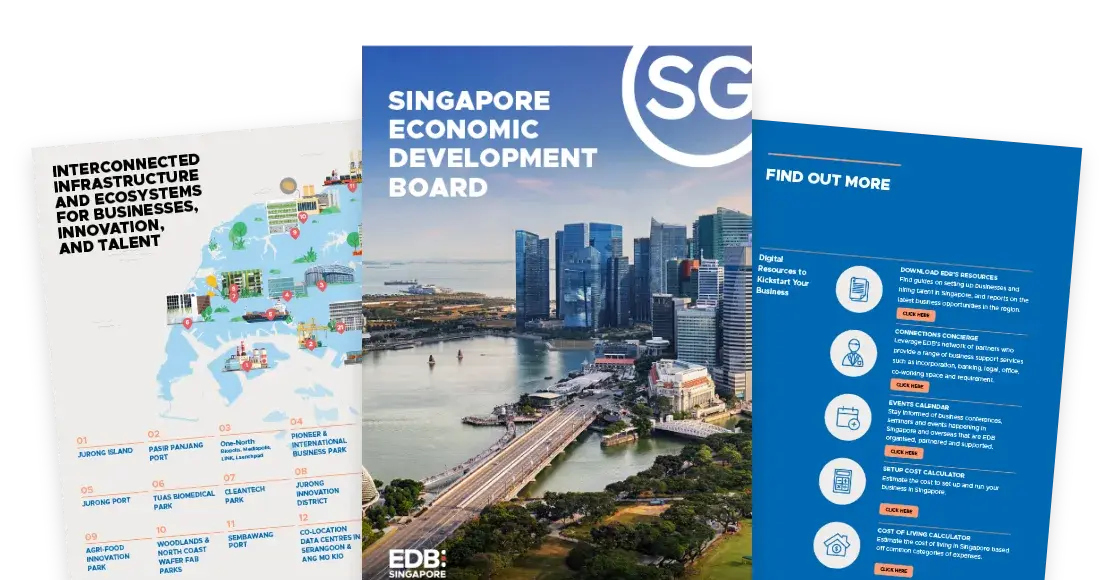
Download the Guide to Hiring in Singapore for a full comparison of work pass types and COMPASS requirements.
The Employment Act, EFMA, and all of Singapore’s labour laws are administered by the tripartite partners: the Ministry of Manpower (MOM), the National Trades Union Congress (NTUC), and the Singapore National Employers Federation (SNEF). This collaborative approach between government, unions, and employers underpins Singapore’s stable and business-friendly labour environment.
Fair employment practices during the hiring process in Singapore
Employers must also familiarise themselves with the Tripartite Guidelines on Fair Employment Practices and the new Workplace Fairness Legislation (WFL).
The WFL was passed in early 2025 and covers workplace discrimination by prohibiting negative employment decisions on the grounds of any protected characteristics.
During the hiring process in Singapore, companies must strive to avoid bias and evaluate candidates solely on job-related criteria like qualifications, experience, and skills. Companies with fewer than 25 employees are exempt from the legislation.
The WFL complements existing fair employment guidelines and reflects Singapore’s commitment to equitable practices during hiring and all aspects of employment.
Employers should also ensure they comply with the Personal Data Protection Act (PDPA) throughout the recruitment process in Singapore. The PDPA covers obligations when handling candidates’ personal information and conducting background checks.
What are mandatory employee benefits in Singapore?
The Central Provident Fund (CPF) is Singapore’s mandatory social security savings scheme for citizens and permanent residents. The CPF is funded by contributions from employers and employees. Employers are responsible for deducting the employee’s share from their salary and contributing both portions to the CPF.
Beyond CPF, all employees in Singapore are entitled to 11 paid public holidays annually and paid annual leave after three months of employment. Other mandatory entitlements include sick leave, maternity, paternity, and parental leave.
The complete Guide to Hiring in Singapore will provide a detailed breakdown of employer obligations, contribution rates, and compliance requirements.