
Asia-Pacific medical technology (MedTech) demand is expected to reach US$132 billion (S$170.9 billion) by 2030, growing at 6.9 per cent annually — outpacing the global market growth rate of 5.5 per cent over the same period1. Capturing this opportunity requires clinical evidence, capital, clear regulatory pathways and manufacturing partners.
Singapore has built an ecosystem that brings these critical enablers together, helping MedTech companies scale and succeed. We are home to the world’s top 30 MedTech companies, with the sector generating over S$20 billion in manufacturing output and employing more than 17,000 people.
Here is how Singapore's ecosystem helps companies innovate and scale globally.
1. Research and clinical partnerships that speed up product development
WHY IT MATTERS: Building a globally competitive MedTech product rarely follows a straight line from lab to market. As then Minister-in-Charge of Energy and Science & Technology, Dr Tan See Leng noted at the Singapore Medical Device Venture Showcase in June 2026, a commercially viable MedTech business needs more than good science – other factors like regulatory clarity, patient capital, manufacturing capabilities, industry partnerships and talent matter, too."2
HOW SINGAPORE HELPS:
- Productisation support: MedTech Catapult, a S$38 million national platform under the Agency for Science, Technology and Research (A*STAR), helps MedTech companies bridge the gap between research and market adoption. It brings together engineering and prototyping capabilities with quality assurance, clinical, regulatory and business development expertise to de-risk product development and accelerate commercialisation.
- Connections with research and clinical partners: Global companies can work with hospitals, universities and research institutes on product development and clinical research. Agilent, for example, established the US$29 million (S$38.6 million) National University of Singapore-Agilent Hub for Translation & Capture to develop new ways of translating clinical research into diagnostics. Singapore also offers sustained public investment in biomedical and translational research under the S$37 billion Research, Innovation and Enterprise (RIE) 2030 plan.
- Growing access to capital and venture support: Investors and venture-building platforms including ClavystBio, Santé Accel Singapore, and SG Growth Capital provide healthcare ventures with capital, mentorship and global networks.
PROOF IN PRACTICE:
- EssilorLuxottica: Its Singapore Centre for Innovation & Technologies Asia helped conceptualise the Stellest® lens with the company’s other R&D hubs globally, manufactured prototypes for clinical trials in the United States and China, and led clinical studies and programme coordination. In 2025, the US Food and Drug Administration authorised Stellest® as the first spectacle lens to slow myopia progression in children.
- Bypass Solutions: Working with MedTech Catapult and local contract manufacturers, it has completed key preclinical studies for its peripheral artery disease treatment and is moving towards a first-in-human trial in Singapore.
2.Regulatory credibility that can cut time to market
WHY IT MATTERS: Asia is a high-growth but fragmented market. Each jurisdiction retains approval authority, so repeated regulatory reviews consume time and capital.
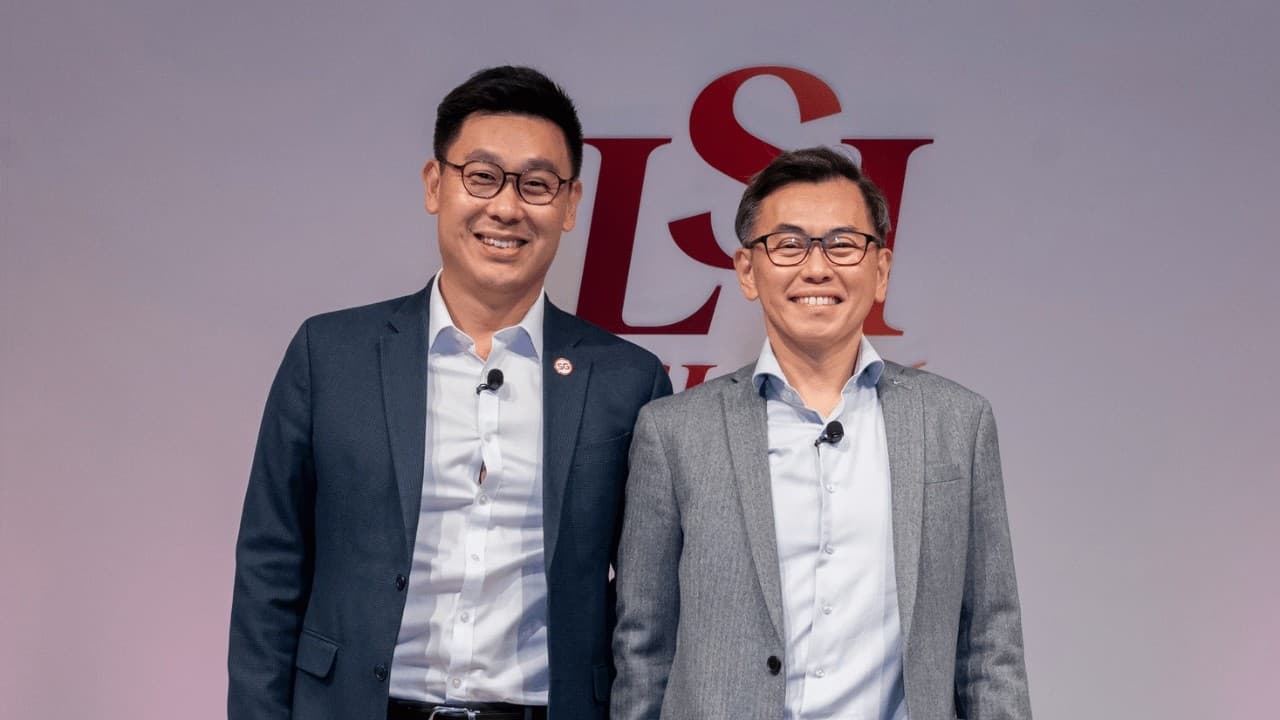
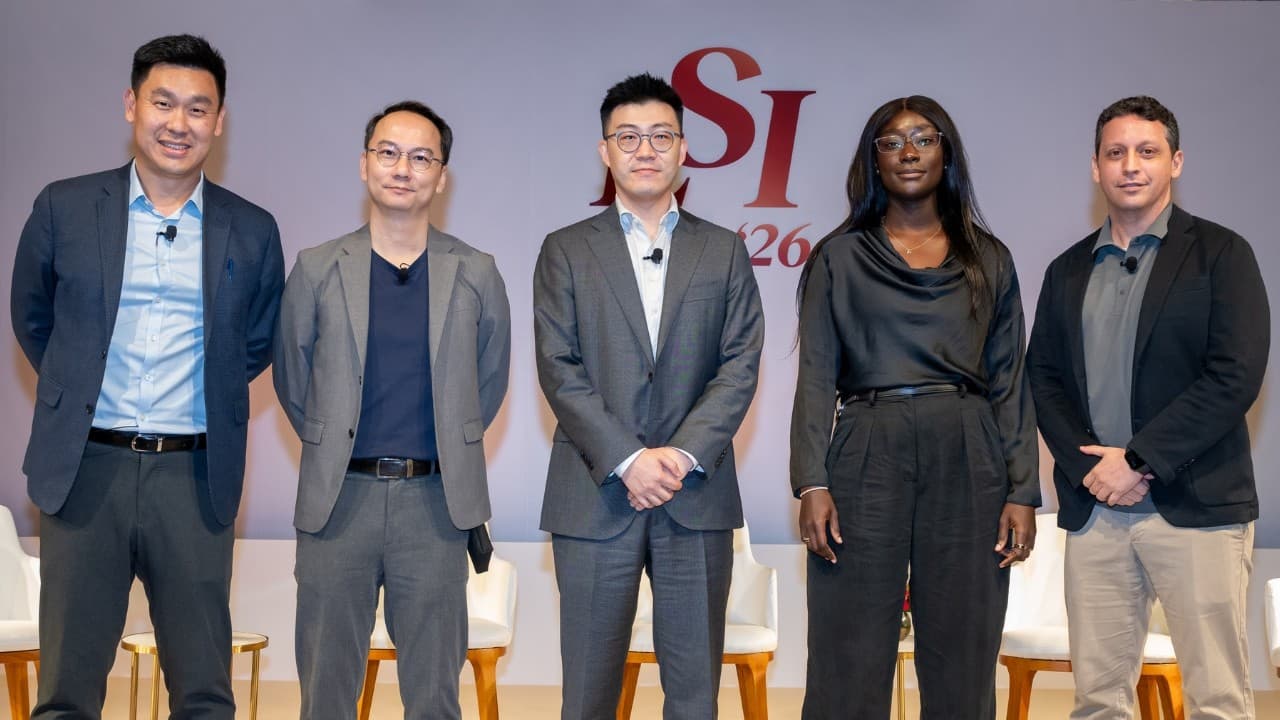
At the LSI Asia Emerging MedTech Summit 2026, Adjunct Professor (Dr) Raymond Chua, Chief Executive Officer of Singapore's Health Sciences Authority (HSA), pointed to HSA's growing network of regulatory reliance arrangements as a way to reduce duplication — making Singapore an increasingly practical entry point for companies looking to move efficiently from one approval to many across the region.
HOW SINGAPORE HELPS:
- Early engagement and clarity: HSA’s Innovation Office for Medical Devicesallows companies to seek advice during development or before submission. This helps them address clinical evidence, cybersecurity and other regulatory requirements before plans are locked in.
- Confidence from global recognition: In March 2026, HSA became the first national regulatory authority in the world to attain the World Health Organization's highest Maturity Level 43 for medical device regulatory systems.This global recognition gives companies confidence in the quality and predictability of HSA’s assessments, while strengthening the value of an HSA approval as a trusted reference for overseas regulators.
- Leverage trusted assessments: HSA's regulatory-reliance arrangements allow overseas regulators to draw on its assessments while retaining the final decision on approvals, so companies can use HSA’s approval to accelerate registration in multiple markets. HSA's established medical device reliance programmes with Australia, Hong Kong, Malaysia, the Philippines, Sri Lanka and Thailand give companies a practical multiplier effect: one rigorous approval, faster and broader market access across the region.