6
Jobs in Singapore: “Why I’m building my career in Singapore’s energy sector”

Jobs in Singapore: “Why I’m building my career in Singapore’s energy sector”

At Sembcorp, Karyn Goh focuses on helping companies transition to a mix of cleaner energy sources. It’s an example of the varied roles— from engineering to business, data, policy or communications — in the energy sector, given the strong momentum for sustainability.

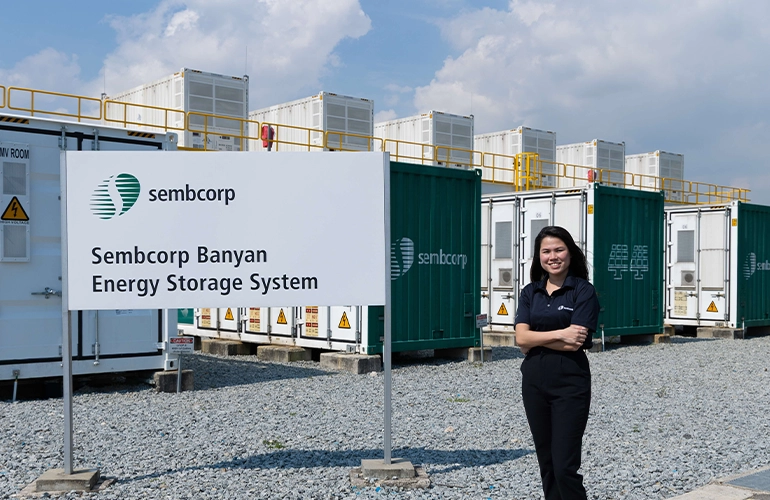
Woman standing beside Sembcorp Banyan Energy Storage System containers at an industrial site.

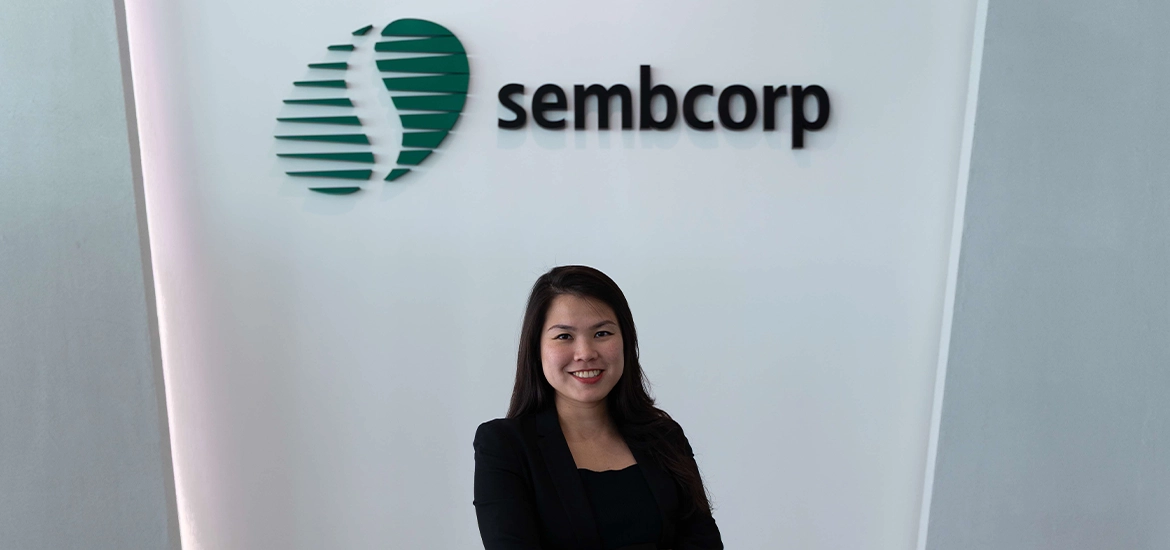
Karyn Goh is a Senior Manager at energy and urban development company Sembcorp Industries. Sembcorp builds and runs energy systems to provide power to industries and communities across Asia — from solar farms and battery storage to efficient utilities.

1. Tell us more about your current role at Sembcorp.

In my current role at Sembcorp, I help customers make informed energy choices so they can make the transition to clean energy through a wide spectrum of solutions. These solutions draw from a mix of energy sources, including conventional power, local renewables, regional power imports, and low-carbon alternatives — all aimed at helping customers meet their sustainability goals and operational needs.

A typical day for me involves engaging directly with customers to understand their needs, preferences, and sustainability priorities. I work closely with my team and stakeholders to design tailored solutions that are both competitive and aligned with customer goals, while also navigating market dynamics and regulatory requirements. Ultimately, it’s about helping customers navigate the transition towards cleaner and more resilient energy options, and supporting Sembcorp’s efforts to be a reliable partner in their journey.


2. You’ve been working in the energy sector for 11 years and counting. What was it that first motivated you to step into the industry, and what is it that keeps you going in this field?

My first energy sector role was with the Energy Market Authority (EMA), and I was fortunate to be part of the team developing and leading the nationwide Open Electricity Market (OEM) campaign. It was an exciting opportunity to help shape a major milestone in Singapore’s energy landscape — the complete liberalisation of Singapore’s retail energy market, giving consumers greater choices in their electricity purchases. Today, residential customers in Singapore can choose from multiple electricity retailers and even opt for plans that supply power from renewable sources instead of traditional thermal energy. This experience sparked my passion for energy and sustainability, and I stayed with it throughout the many years it took to roll out the initiative nationwide.

The foundation I built at EMA gave me a deep appreciation for how energy policies and solutions are developed. Following that, I made the move to Sembcorp to broaden my perspective and better understand how such solutions are shaped and delivered in the private sector. Being in the private sector has brought me closer to customer needs and allowed me to help shape solutions that address real operational and commercial challenges. Here, I’m able to apply my knowledge from EMA to commercial strategies and work directly with businesses to co-create solutions that support their sustainability goals.

For example, at Sembcorp, I’ve worked on regional power import projects — a key step towards helping customers achieve 100% green energy. I was also part of the team behind Singapore’s first renewable power import from West Malaysia under the Energy Exchange Malaysia (ENEGEM) initiative.


3. What are some of the skills or lessons you’ve picked up throughout your career?

The OEM campaign required policy design, market analysis, and extensive stakeholder engagement. From that once-in-a-lifetime experience, I learnt how to manage complex, high significance initiatives while balancing pro-enterprise goals with consumer welfare.
 

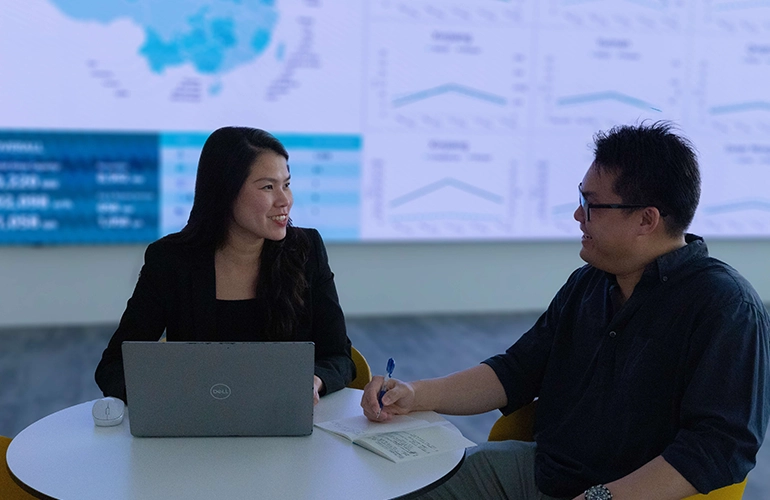
Two professionals discuss data at a table, with charts and analytics displayed on a screen behind them.

On the other hand, at Sembcorp, I lead cross-functional teams on major projects, which includes long-term solar and thermal power purchase agreements (PPAs) — contracts between an energy producer and a buyer to purchase electricity at a pre-agreed price and volume — with global corporates. These projects require deep engagement with a wide range of stakeholders, from corporate clients to our board, regulators, technology partners, and overseas counterparts. Through this, I’ve honed my ability in navigating different commercial interests, aligning teams around a common objective, and translating complex requirements into customer-centric solutions.


4. How significant are renewable imports for a small country like Singapore, and what are some of the biggest misconceptions you’ve heard about Singapore’s energy mix and usage?

Singapore is aiming to achieve its net-zero emissions target by 2050, and renewable imports are vital for our energy transition, given our geographical constraints. Currently, about 95% of Singapore’s electricity is generated from natural gas, and we cannot produce power from domestic large-scale wind, hydro, or geothermal projects. Importing electricity through regional power grids is an option, given that our neighbours have access to different types of renewable energy and are open to trading clean energy with us.

Traditionally, power procurement here relied on short-term PPAs. But at Sembcorp, we’ve helped shift this approach by negotiating long-term agreements with major corporates. Beyond pricing and contract terms, a big part of our work is helping customers think about their operational needs, sustainability goals, and how various renewable energy sources such as local solar and regional power imports can support their broader decarbonisation strategies. Balancing these needs with internal objectives isn’t always easy, but it’s rewarding to see power procurement evolve into more strategic, long-term partnerships.
 

Woman standing beside Sembcorp Banyan Energy Storage System containers at an industrial site.

As for common misconceptions, a frequent misunderstanding is that buying unbundled Renewable Energy Certificates (RECs) — digital proofs that "green" electricity was generated, allowing companies and individuals to claim renewable energy use and support clean power — is enough to offset emissions. But in truth, customers need to purchase both the green electricity and its associated RECs to properly reduce their Scope 2 emissions, which are indirect greenhouse gas emissions resulting from the generation of purchased electricity, steam, heat, or cooling that a company or individual consumes.

If I could, I would love to change one mindset: energy choices go beyond your utility bill, and how much electricity to use. Understanding what type of energy plan you’re buying and your usage patterns helps you make smarter, more impactful decisions.
 

“The energy sector offers you the chance to build a meaningful career while contributing to Singapore’s climate ambitions, be it in the public or private sector. My advice is to first understand how the electricity market works and the different aspects of it, before identifying a role that aligns with your skills and interests.”

Karyn Goh, 34

Senior Manager

Sembcorp


5. What are some of the opportunities that young Singaporeans can tap on in the energy sector, and what advice do you have for fresh graduates looking to explore a career in this industry, whether in the public or private sector?

Singapore’s energy sector is growing rapidly, driven by low-carbon technologies and rising electricity demand from AI, digitalisation, and advanced manufacturing. With strong momentum toward sustainability, new roles are emerging in areas such as renewables, energy imports, carbon management, and infrastructure planning.

The energy sector offers you the chance to build a meaningful career while contributing to Singapore’s climate ambitions, be it in the public or private sector. For fresh graduates, there are varied pathways depending on your background. Rest assured that the energy sector isn’t all technical, and there are plenty of roles in areas like marketing, communications, and policy. A good start is to understand Singapore’s electricity market to see what sparks your interest.

My advice for all is to stay open to learning, maintain a positive outlook, and be ready to embrace change as the industry evolves.


Related Content

Subscribe Icon
The latest business insights and news delivered to your inbox
Subscribe now