Singapore seals carbon credit deal with the Philippines, its third Southeast Asian partner

Singapore seals carbon credit deal with the Philippines, its third Southeast Asian partner

The agreement expands Singapore’s regional carbon market network and supports climate finance for projects in the Philippines.


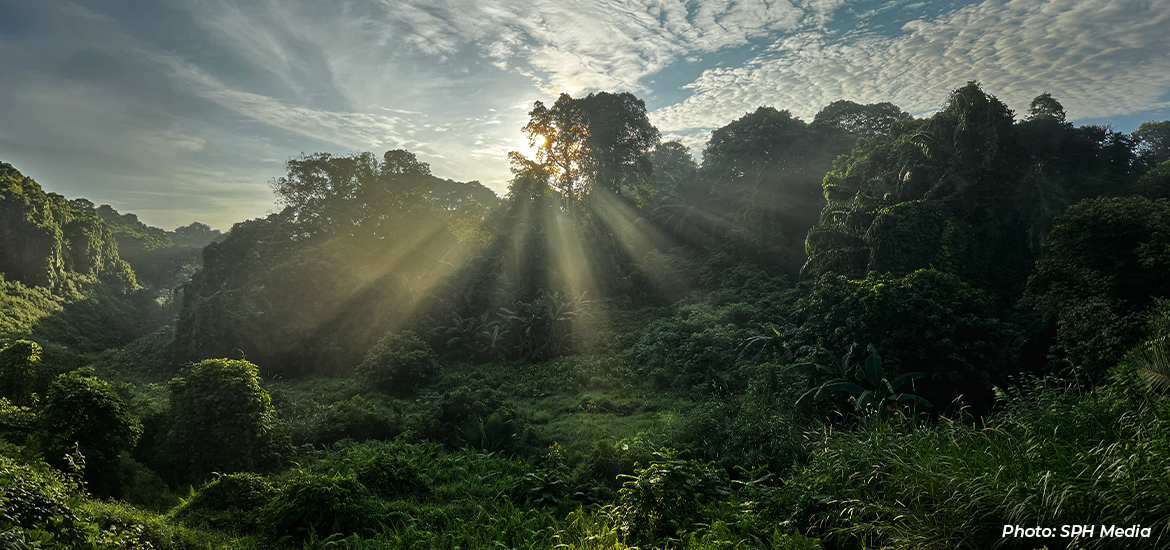
Sunlight streaming through dense tropical rainforest canopy, illuminating lush vegetation and mature trees in a rich natural landscape, highlighting biodiversity and environmental conservation.

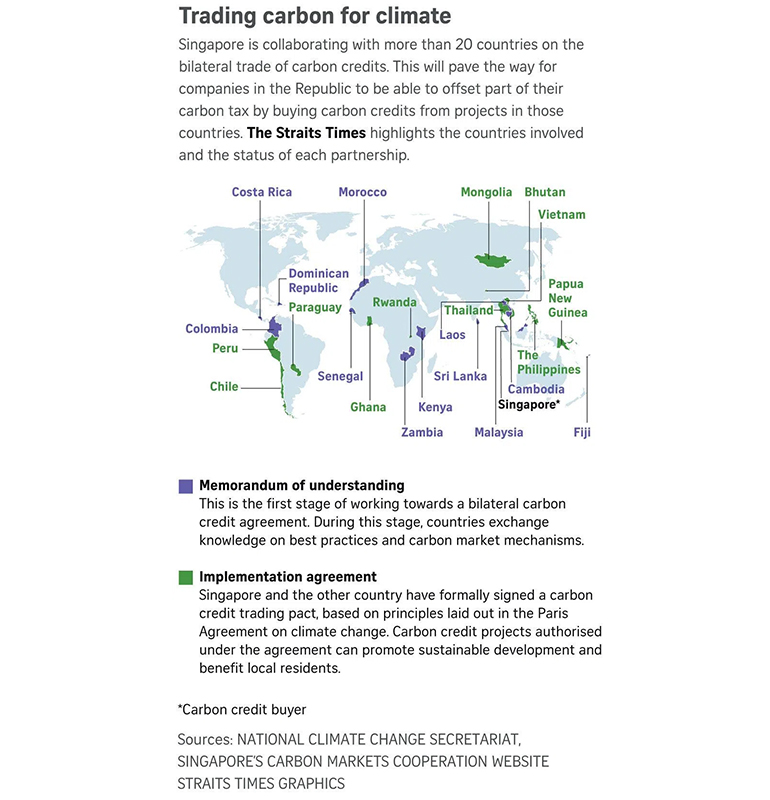
The bilateral agreement allows the Singapore Government and carbon tax-liable firms here to buy eligible carbon credits from the Philippines to offset a fraction of their planet-warming emissions.

The Philippines has become the third Southeast Asian country to seal a carbon trading deal with Singapore, expanding the Republic’s market for carbon credits generated in the region.

The bilateral pact is the 11th such agreement that the Singapore Government has finalised since end-2023, and the first such deal for the Philippines.

The pact, dubbed an implementation agreement, was signed on 30 April during the ASEAN Climate Week in Manila. An implementation agreement is a legally binding document that governs the international transfer of carbon credits between two countries.

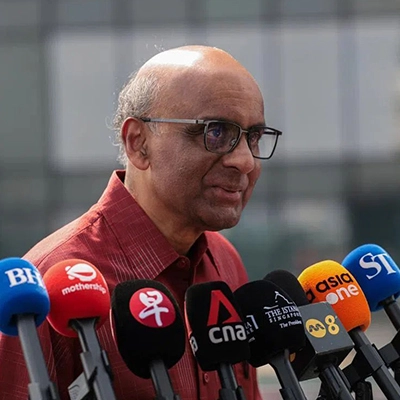
It was signed by Singapore’s Minister for Sustainability and the Environment Grace Fu and the Philippines’ Department of Environment and Natural Resources Secretary Juan Miguel T. Cuna.

The bilateral agreement allows the Singapore Government and carbon tax-liable firms here to buy eligible carbon credits from the Philippines to offset a fraction of their planet-warming emissions.

Ms Fu, who is also Minister-in-charge of Trade Relations, said: “This agreement will deepen collaboration between our two countries, channel climate finance towards impactful projects in the Philippines, and unlock new opportunities in carbon markets for businesses and local communities.

“Together, ASEAN can lead the way in building a low-carbon future that delivers tangible benefits across the region.”

Mr Cuna called the agreement a strategic decision – one grounded in national priorities, development aspirations, and commitment to global climate action.

Information on the process for authorising carbon credit projects and eligible carbon crediting methodologies will be published in due course, said Singapore’s Ministry of Trade and Industry (MTI) in a statement.


Under the Paris Agreement, countries can buy carbon credits generated in other jurisdictions to meet domestic climate targets to reduce emissions.

The carbon markets will benefit carbon credit buyers as buying credits from elsewhere can occasionally be cheaper than reducing emissions on their own. Countries hosting these projects also stand to gain as credits generate revenue for climate-friendly projects.

In Singapore, credits used to offset national emissions can be bought only from projects in countries with which the Republic has implementation agreements.

Carbon tax-liable firms can also buy credits to offset up to 5 per cent of their carbon tax bill.

One carbon credit represents one tonne of carbon dioxide prevented from being released or removed from the atmosphere.

MTI said the collaboration will advance both countries’ climate goals by directing financing towards unlocking additional mitigation potential in the Philippines.

It added: “The carbon mitigation projects authorised under this implementation agreement will promote sustainable development and deliver tangible benefits to local communities, such as creation of jobs, enhanced energy security, and reduction of environmental pollution.”


Source: The Straits Times © SPH Media Limited. Permission required for reproduction.

Related Content

Subscribe Icon
The latest business insights and news delivered to your inbox
Subscribe now