6
Jobs in Singapore: “Why semiconductor manufacturing offers good opportunities for young graduates today”

Jobs in Singapore: “Why semiconductor manufacturing offers good opportunities for young graduates today”

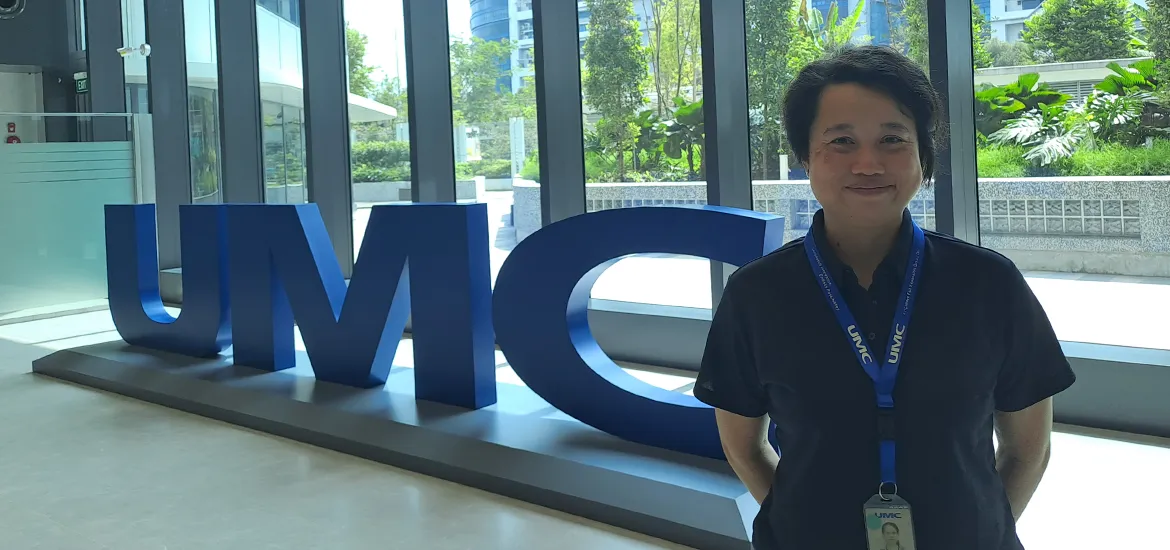
Automated, sophisticated and tech driven – for United Microelectronics Corporation’s Toh Li Ying, this is what makes a job in semiconductors engaging. With a focus on sustainability and diversity, more women are taking on leadership roles in semiconductors, she says.

Jobs in Singapore: “Why semiconductor manufacturing offers good opportunities for young graduates today”

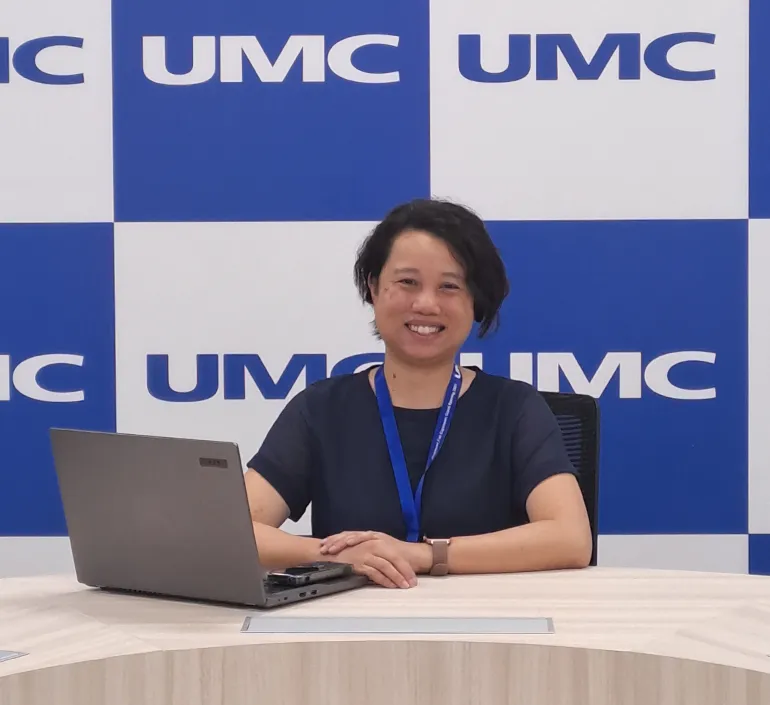
Toh Li Ying is a Senior Manager at United Microelectronics Corporation (UMC), a leading global semiconductor foundry headquartered in Hsinchu, Taiwan. UMC established its first advanced fabrication plant in Singapore in 2000, and later designated its Singapore site to spearhead research and development for specialty process technologies. In 2025, the company unveiled a new wafer plant here, which will create 700 new jobs and bring UMC’s total production capacity in Singapore to over 1 million wafers annually. Today, Singapore is also home to one of UMC’s largest R&D teams outside of Taiwan, reflecting the company’s long-term commitment to growing Singapore’s semiconductor ecosystem.
 

1. Tell us more about what you do at United Microelectronics Corporation (UMC).

At UMC Singapore, I lead the Defect Management team, which ensures the quality of wafers that go into the electronic devices we use every day. In simple terms, my job is to minimise defects in the chips we manufacture. This is done through automated inspection systems and advanced data analytics, which we use to detect and resolve issues quickly.

As chip features get smaller, even the tiniest defect can have a big impact on yield and product quality, making defect management more challenging. As every new technology platform introduces new process complexities and defect types, my team and I continuously improve our processes so we can deliver products that meet the highest industry standards.
2. What made you decide to join UMC and stay on in the company for two decades?

Becoming an engineer was a dream I’ve had since I was young, so I felt fortunate when I was offered the chance to join UMC Singapore after graduation. The semiconductor industry appealed to me as it is constantly evolving, requiring cross-functional teamwork and collaboration with experts from other fields to solve complex technical problems. This keeps my work engaging and far from monotonous.

At UMC, I had the opportunity to work in Singapore’s first 12-inch advanced fabrication facility, or fab, running 130nm logic process technology. I was also involved in the transfer of the company’s 65nm process technology from UMC’s headquarters in Taiwan to Singapore in 2008. This transfer was a milestone for UMC Singapore because 65nm was considered cutting-edge technology at that time.

By elevating the capabilities in Singapore, it positioned us as a key player in the global semiconductor industry. For this project, my team and I spent two months in Taiwan learning the manufacturing process, documenting best practices, and troubleshooting issues as they arose. I also underwent intensive training sessions and on-the-job shadowing to quickly build up my skills. The aim was to produce chips that matched the capability and performance of those made at the parent site, while keeping the learning curve as short as possible. This experience deepened my technical expertise and ignited a newfound passion for my work. It was incredibly exciting to be among the pioneering group of engineers working on such an important project.

UMC’s continued investment in Singapore, including the recent expansion of our manufacturing site, has created new avenues for learning and leadership. The company also provides opportunities for professional development through internal training programmes, mentorships, and cross-functional projects. These experiences have helped me stay ahead of technological advancements and sharpened both my technical and leadership skills. Taking on larger projects while continuously upskilling myself has made my career both dynamic and fulfilling.

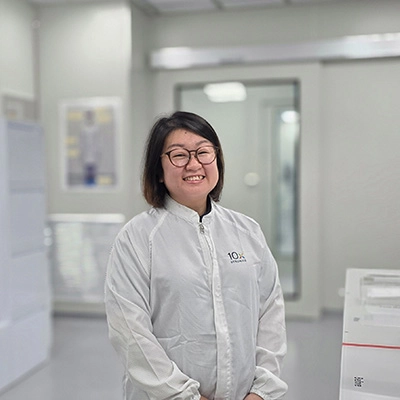
Profile image of Toh Li Ying
3. Tell us about some of the most memorable projects you’ve undertaken at UMC, and the challenges you had to overcome in your career.

One of my most significant achievements was leading the implementation of Industry 4.0 smart manufacturing initiatives in Singapore. Together with a cross-functional team, we developed and deployed advanced data analytics and automated defect detection systems on the production floor. This resulted in a measurable improvement in yield and a reduction in production downtime.

Another memorable experience was mentoring new hires and becoming a Total Quality Management trainer. Through these experiences, I’ve learned the importance of collaboration, adaptability, and having a growth mindset. 

On the other hand, some of the toughest moments have involved leading teams through periods of rapid change and navigating complex technical challenges. For example, encountering new defect issues in new processes can be daunting, especially when there is pressure to deliver results quickly. These experiences have taught me that resilience and open communication are vital, and we can overcome obstacles by collaborating and encouraging diverse viewpoints. I believe that effective leadership involves nurturing talent and cultivating an environment where everyone can thrive.


4. What are some common misconceptions you’ve heard about the semiconductor industry?

A common misconception is that semiconductor manufacturing is repetitive or purely technical. In reality, it’s a highly dynamic field that requires creativity, problem-solving, and teamwork. While precision is extremely important, there’s also a strong focus on innovation and continuous improvement. There’s never just one solution to troubleshoot a defect issue.

Another misconception is that manufacturing means heavy lifting and long hours on the production floor. On the contrary, most semiconductor fabs are now automated, and increasingly adopting AI, big data, and machine learning tools to enable machines to function autonomously for routine tasks. This means our teams can focus on higher-value tasks and creative problem-solving, rather than routine or repetitive work.
 

5. How has the semiconductor sector changed, and what does the future of the field look like to you? What makes it an exciting industry today for young professionals or fresh graduates to build their careers?

The semiconductor sector has become increasingly sophisticated, with rapid advancements in technology and automation and greater emphasis on sustainability and diversity. I’ve also seen more women going into Science, Technology, Engineering and Mathematics (STEM) roles and become leaders in the industry, which shows a growing recognition of the value of diverse perspectives and inclusive leadership. 

The semiconductor industry offers endless opportunities to make a real impact on the world. The future is bright as the industry continues to innovate, with new applications in AI, IoT, and green technologies, and Singapore’s ecosystem and workforce capabilities makes it well-positioned to play a leading role in this global transformation. For fresh graduates, it’s a chance to work with cutting-edge technology and to be part of a community shaping the future.

If you’re considering a career within the industry, my advice is to cultivate a growth mindset as the field is expansive and constantly evolving, offering opportunities in areas from coding to data analysis and product management. Next, seek out mentors and role models who can provide guidance and support. Lastly, recognise the value of your own perspective as that can open doors to countless opportunities in this ever-evolving field.
 

Related Content

Subscribe Icon
The latest business insights and news delivered to your inbox
Subscribe now