Australia is among five countries from which Singapore is looking to import greener energy, as the resource-limited island state aims to wean off natural gas, a fossil fuel that is responsible for around 95 per cent of its electricity generation.
In 2024, Singapore gave conditional approval to import around 1.75 gigawatts of solar energy from Australia’s Northern Territory, with the power transmitted over a 4,300km subsea cable. If further approvals are granted, this project is likely to be completed after 2035.
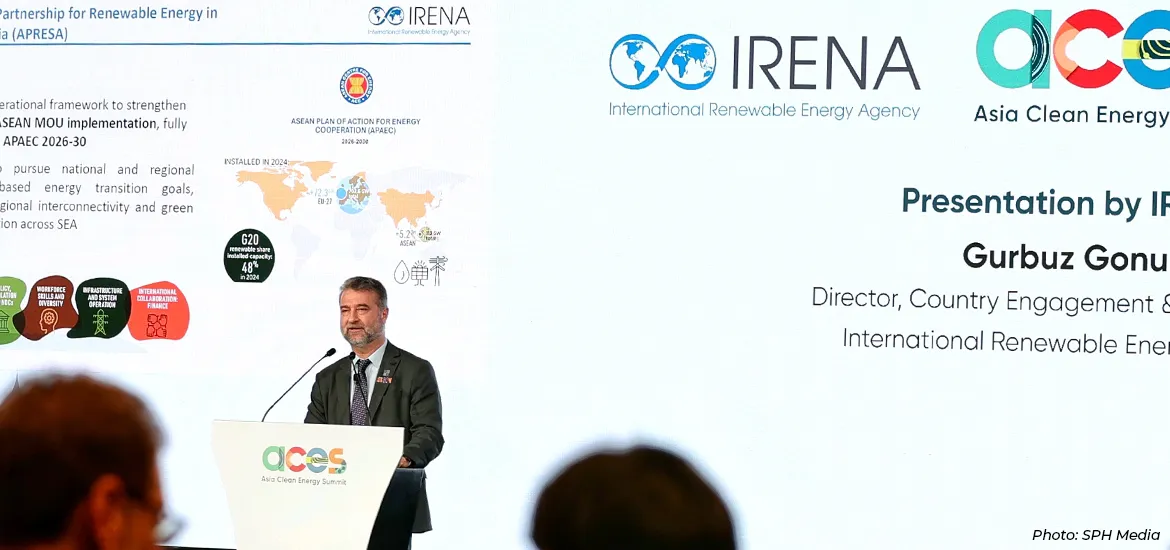
Highlighting the features of the new initiative, Mr Gurbuz Gonul, director of country engagement and partnerships at IRENA, said during a presentation at the forum that it has four pillars.
These are strengthening renewable energy infrastructure in the region, improving regulatory conditions, enhancing the green economies of the countries, and mobilising private sector investments.
Some of the key steps to achieving these aims include phasing out diesel generators on remote islands by 90 per cent and replacing them with greener solutions such as solar plants.
“This will also stabilise energy costs and improve electricity supply. These systems can support productive use of energy, such as in food processing, fisheries, cold storage, and digital interconnectivity, expanding local livelihoods and economic opportunities,” Mr Gonul said.
The initiative will also promote renewable energy adoption in key industries and rural ones to drive green growth and create job opportunities, he added, highlighting the importance of ensuring that local communities benefit from the energy transition.
To ensure that this energy pivot gets the finance and investments needed, IRENA will also convene an investment forum in 2026 to “matchmake” bankable projects with interested investors, said Mr Gonul.
IRENA’s APRESA initiative was formed to support the five-year ASEAN Plan of Action for Energy Cooperation that was endorsed by the region’s energy ministers in mid-October, he said.
The energy cooperation blueprint charts out targets for the bloc, including one for renewables to account for 45 per cent of the region’s power capacity by 2030. Currently, the figure stands at more than 30 per cent.
One of the key ways the region hopes to increase deployment of renewable energy is through the ASEAN Power Grid, which can facilitate cross-border electricity trade among countries in Southeast Asia.
The ASEAN Power Grid allows countries to share renewable energy resources and can help those in the region diversify their fuel mix. Low-carbon electricity imports form a key part of Singapore’s strategy to decarbonise its power sector, which currently accounts for 40 per cent of the Republic’s carbon emissions.