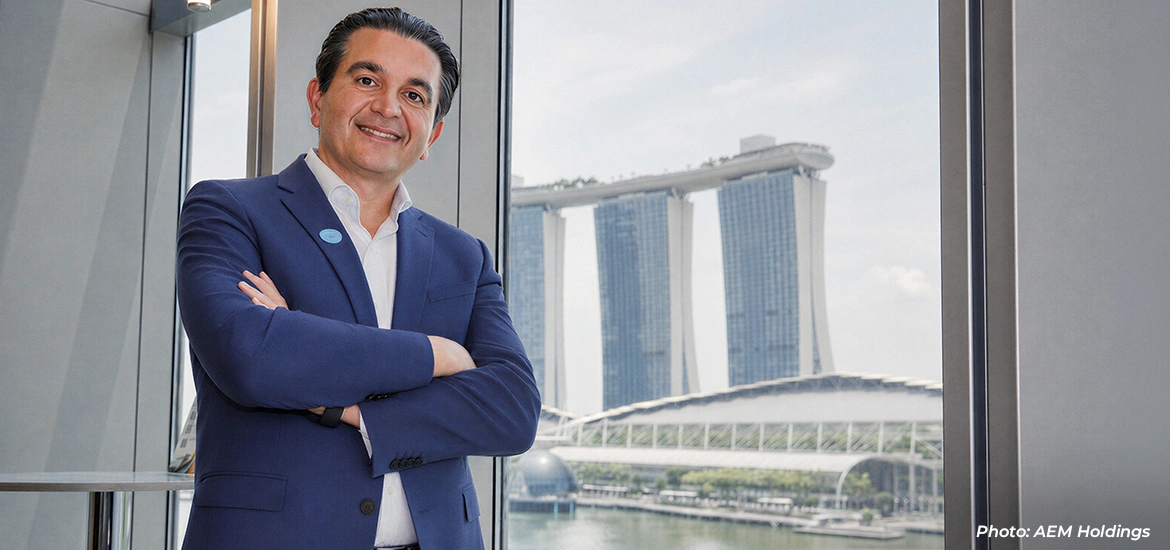
When Mr Samer Kabbani, chief executive of AEM Holdings, cancelled his daughter’s US$200 (S$256)-a-month subscription to ChatGPT after discovering she had signed up for it without telling him, the response was swift. Within minutes, footsteps came hurrying down the stairs. “Why did you cancel it? My life depends on it!” he was told.
Meanwhile, his teenage son, who had been wanting a calorie-counting app, was challenged to build it himself instead of buying one. Using an artificial intelligence coding platform, the 16-year-old was able to create a working prototype that could analyse food photos and estimate calorie intake, despite having no programming background.
His other daughter used AI to generate an instant guided tour while walking through the ruins of Greece’s Parthenon during a family holiday, brushing aside the tour guides offering their services around the attraction.
“She simply pointed her phone at the ruins and asked ChatGPT to explain what she was seeing,” said Mr Kabbani, who uses AI regularly to brainstorm for ideas and refine talking points, among other things.
In the Kabbani household, AI is already woven into daily life in many different ways – in terms of learning, fitness, travel, productivity, and entertainment.
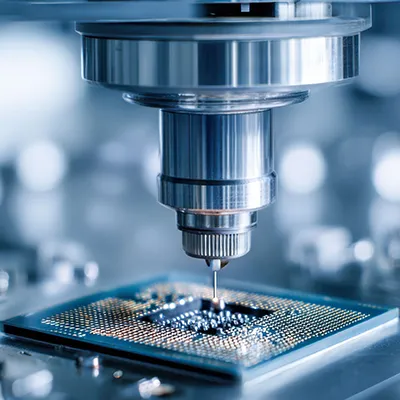
To Mr Kabbani, who runs the Singapore firm testing the high-performance AI chips that enable these applications, this says something important about where the world is heading.
“AI is now becoming a part of life, just like electricity, water, and the internet,” he said.
Testing the chips of the future
The growing use of AI, from generating memes and entertainment content to supporting mission-critical transport and medical systems, is fuelling a massive demand for high-performance computing chips, as well as the data centres and computing infrastructure needed to run the technology at scale.
This has driven trillions of dollars in investments in the sector and triggered a rally in AI stocks from Singapore and Korea to the US and China.